Comprehensive Guide to Auto Repair: Essential Tips for Vehicle Maintenance and Troubleshooting
The "Comprehensive Guide to Auto Repair" provides a structured approach to understanding vehicle maintenance and troubleshooting. It describes essential tools and routine checks required for ideal performance. Frequent concerns are discussed, providing clarity on when DIY repairs are feasible. However, complications in automotive care can occur unexpectedly. Learning how to navigate these difficulties is crucial for any car owner. The guide discloses strategies that can equip individuals in their automotive journey.
Learning Your Vehicle's Fundamentals
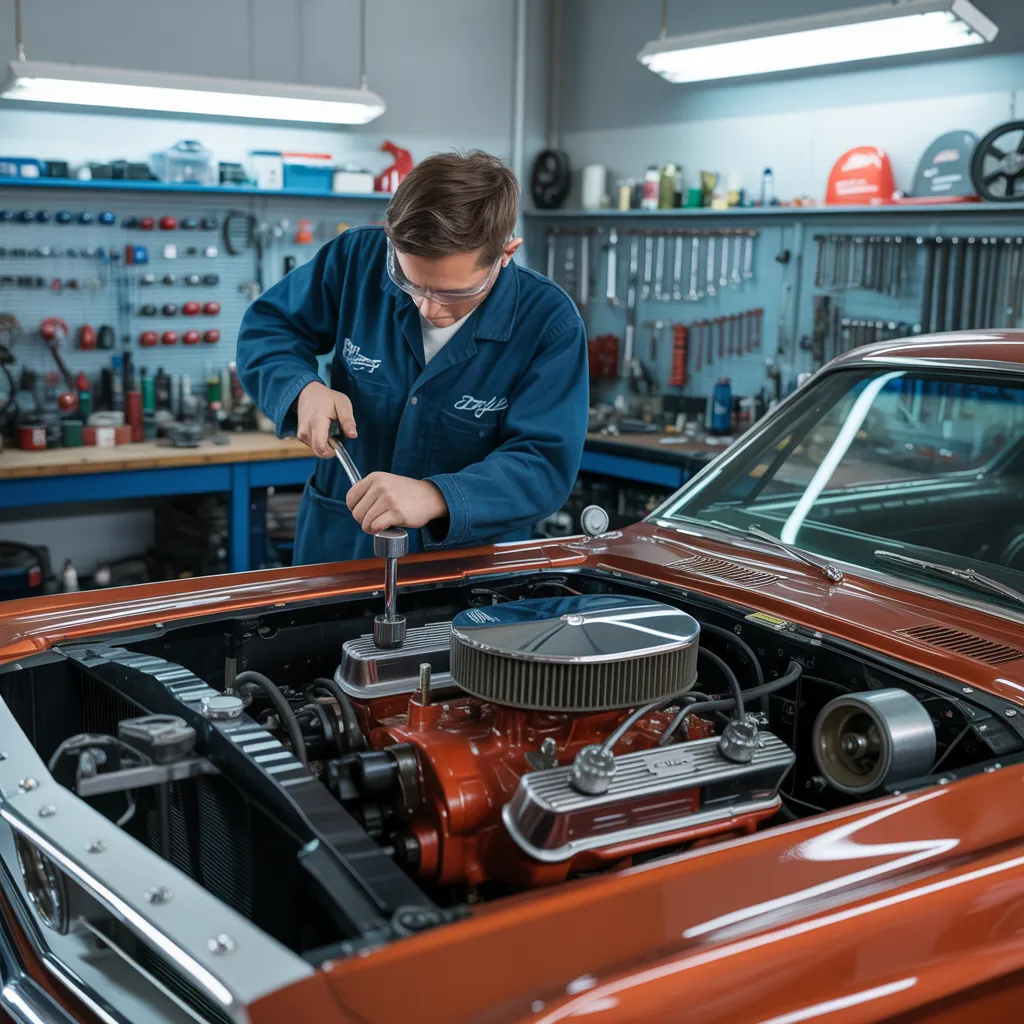
Grasping the essential elements of a vehicle is crucial for any car owner. Understanding of the engine, transmission, brakes, and electrical system can greatly enhance a driver's ability to maintain their vehicle properly. The engine, often regarded as the heart of the car, transforms fuel into mechanical power, while the transmission regulates the transfer of that power to the wheels.
Brakes are vital for safety, employing hydraulic systems to slow down or stop the vehicle. Understanding the electrical system, which powers components ranging from headlights to ignition, can help identify common issues. Furthermore, understanding fluid systems—like oil, coolant, and brake fluid—is essential for guaranteeing peak performance.
Key Tools for DIY Auto Repair
Providing yourself with the right tools is a essential step for anyone beginning DIY auto repair. Essential tools include a reliable set of wrenches and sockets, which assist with tasks varying from simple adjustments to complex repairs. A solid jack and jack stands are necessary for safely lifting the vehicle, enabling access to the undercarriage. A complete mechanic's tool kit should also comprise screwdrivers, pliers, and torque wrenches to deliver precision in assembly and disassembly.
Moreover, a multimeter is extremely valuable for identifying electrical issues, while an oil filter wrench makes easier oil changes. Safety gear, like gloves and goggles, is essential, as they protect against potential hazards. Finally, a repair manual particular to the vehicle model provides vital guidance. Combined, these tools empower individuals to manage a diverse set of automotive tasks, fostering both skill development and confidence in vehicle maintenance.
Scheduled Maintenance Reviews
Scheduled maintenance examinations are crucial for maintaining a vehicle's longevity and peak performance. These checks encompass various components, including oil changes, tire rotations, brake inspections, and fluid levels. Regularly changing the engine oil is vital, as it lubricates moving parts and stops wear. Tire maintenance, including monitoring tread depth and air pressure, enhances safety and fuel efficiency. Brake systems should be examined periodically to ensure optimal stopping power, while fluid levels—such as coolant, transmission, and brake fluids—must be tracked to avert potential failures.
Moreover, checking the battery's status and cleaning terminal connections can avert electrical problems. Wiper blades and headlights also demand regular evaluation for functionality, ensuring clear visibility. By maintaining a routine maintenance schedule, vehicle owners can spot minor concerns before they turn into significant problems, thereby reducing costly repairs and increasing the life of their vehicle. Consistency in these checks ultimately results in a more pleasant, safer driving experience.
Diagnosing Common Car Problems
While addressing frequent automotive concerns, two recurring problems arise: engine performance problems and electrical system failures. Recognizing the symptoms of these problems is crucial for effective diagnosis and repair. Understanding the potential causes can enable quicker resolutions and improved vehicle reliability.
Motor Performance Issues
Numerous car owners experience engine performance difficulties at some point, which can manifest as issues like diminished engine power, inadequate fuel consumption, or abnormal sounds. These symptoms often indicate underlying concerns such as a dirty air filter, defective fuel injectors, or a malfunctioning ignition system. Routine maintenance, including oil changes and spark plug changes, can help prevent these problems. Additionally, monitoring engine warning lights and handling them without delay is critical. If performance difficulties emerge, owners should perform basic troubleshooting, commencing with checking fluid levels and examining for leaks. Employing diagnostic tools can additionally help in determining specific faults. Finally, prompt action can return engine efficiency and improve overall vehicle performance, providing a smoother driving experience.
Electrical System Issues
Electrical system failures can often pose significant challenges for vehicle owners, as they may cause issues such as dimming headlights, malfunctioning power windows, or a completely discharged battery. Primary causes of these failures include faulty alternators, depleted batteries, and faulty wiring. To troubleshoot, vehicle owners should first check the battery connections for corrosion and make certain that the battery is fully charged. Following this, checking the fuses for any blown components can help locate issues. If symptoms endure, testing the alternator's output is critical, as it is responsible for charging the battery while the engine runs. Ongoing maintenance, including checking wiring and connections, can stop potential electrical problems, maintaining a reliable vehicle performance and improving safety on the road.
When You Should Pursue Professional Support
How can a car owner determine the right moment to consult a professional mechanic? Identifying the warning signs requiring professional help is crucial for effective vehicle maintenance. If a automobile exhibits constant alert signals, strange sounds, or leaking fluids, these problems require a technician's skills. Additionally, if a car owner lacks confidence about pinpointing the trouble or doesn't possess the needed instruments for repairs, getting expert help is prudent.
Additionally, if prior attempts at troubleshooting have been unable to fix the concern, it is time to call upon a professional. Complicated repairs, such as those involving the engine or transmission, should always be carried out by a qualified mechanic to prevent further damage. Last but not least, routine maintenance tasks, including brake inspections or timing belt replacements, are ideally performed by professionals, maintaining the vehicle's safety and longevity. Understanding these moments can preserve time and money in the long run.
Seasonal Vehicle Maintenance Advice
When seasons shift, car owners should adapt their vehicle care routines to secure optimal performance and safety. During winter months, checking the battery and antifreeze levels is vital, as low temperatures may impact performance. Confirming that tires have proper tread and are properly inflated aids in keeping traction on frozen roadways.
In spring, it is recommended to thoroughly clean the undercarriage to remove accumulated salt and dirt collected during the cold season. This will help prevent corrosion and rust.
In the summer season, overseeing the cooling system and ensuring the air conditioning is working properly can increase comfort and prevent overheating.
With the approach of autumn, inspecting wipers and changing them when needed readies vehicles for wet weather. Moreover, confirming that headlights and brake lights are working correctly improves safety during darker days.
Resources for Ongoing Learning in Auto Repair
Maintaining awareness of vehicle maintenance and repair practices is vital for vehicle owners and enthusiasts equally. Numerous resources exist to promote continuous learning in auto repair. Web-based platforms including YouTube provide a plethora of tutorials spanning everything from routine maintenance to intricate repair work. Sites focusing on automotive forums offer an interactive space for users to discuss their experiences, pose inquiries, and benefit from the expertise of seasoned mechanics.
In addition, manufacturers frequently provide service manuals specific to vehicle models, making sure owners obtain correct details. For those desiring a more structured approach, community colleges and vocational schools often provide courses in car repair and maintenance.
Books and electronic publications written by industry professionals also serve as valuable materials for learning mechanical concepts. By leveraging these resources, individuals can improve their knowledge and skills, ultimately leading to more proficient vehicle maintenance and troubleshooting.
Frequently Asked Questions
How Can I Improve My Car's Fuel Efficiency?
To increase fuel efficiency, he suggested regular maintenance, like tire inflation, engine tuning, and using high-quality fuel. Moreover, implementing smoother driving habits and see this article reducing unnecessary weight in the vehicle can additionally improve fuel economy.
How Do You Know if Your Alternator Is Failing?
Signs of a malfunctioning alternator include fading headlights, power system malfunctions, a warning light on the dashboard, abnormal noises, and challenges starting the engine. Tracking these signs can avert further vehicle complications and guarantee reliability.
How Often Do I Need to Replace My Windshield Wipers?
Windshield wipers ought to be changed every six to twelve months. Aspects such as climate, usage, and wear may affect this timeline, making periodic inspections crucial for maximum visibility and safety while driving.
What Should I Do if My Tire Pressure Light Comes On?
When the tire pressure warning light comes on, you should measure the tire pressures with a pressure gauge, inflate tires to the recommended levels if needed, and check for any obvious damage or punctures before driving.
How Can I Protect My Car from Rust?
To prevent rust from forming on a vehicle, consistent washing and waxing is necessary. In addition, applying a protective sealant, ensuring proper drainage, and immediately addressing scratches or chips can greatly decrease the risk of rust formation.